4 Ways to Modernize the Office
Bringing Your Office into the Modern Era
An outdated office does more than look tired. It actively works against your organization by hindering collaboration, depressing morale, and creating an environment that fails to attract and retain top talent. In a competitive labor market, the physical workspace is a tangible expression of organizational culture, and a dated, neglected environment sends an unmistakable message about how the company values its people.
The good news is that modernizing an office does not require a complete demolition and rebuild. Strategic upgrades in four key areas can transform an aging workspace into a contemporary, high-performing environment that employees are proud to work in, clients are impressed to visit, and the organization is well-served by for years to come.
1. Rethink Traditional Walls
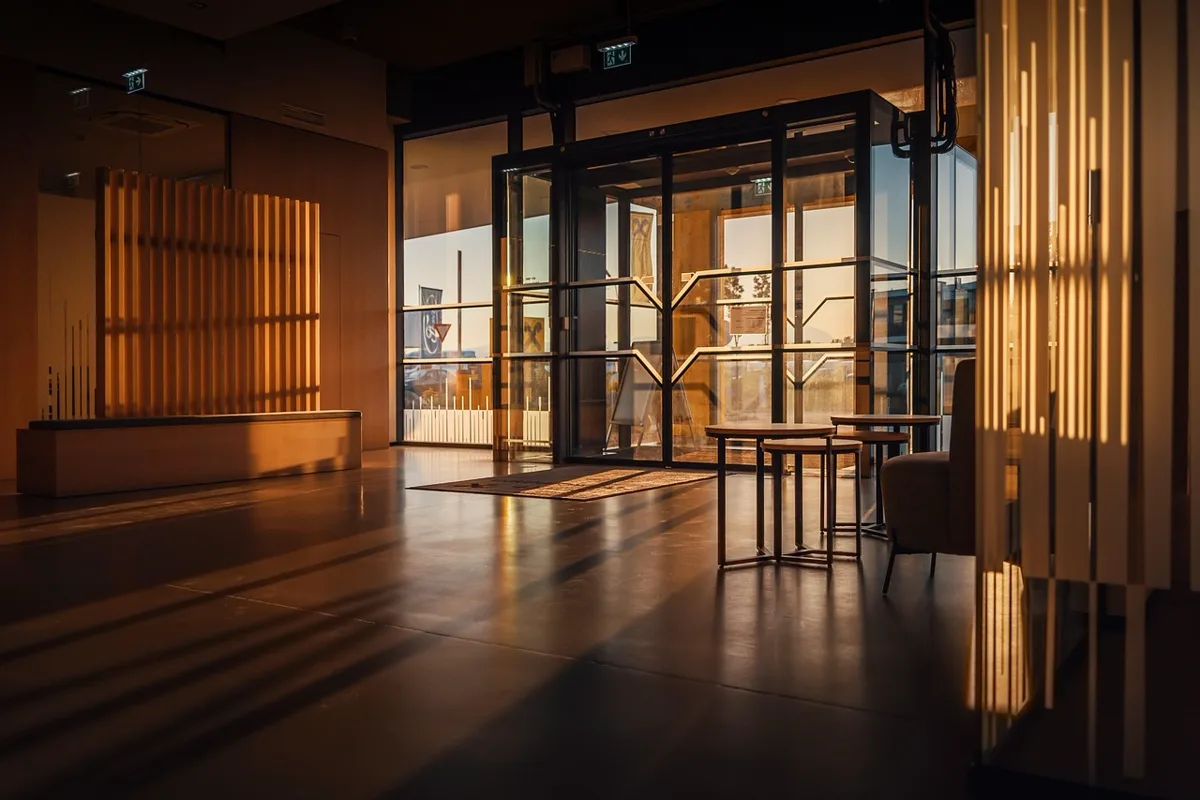
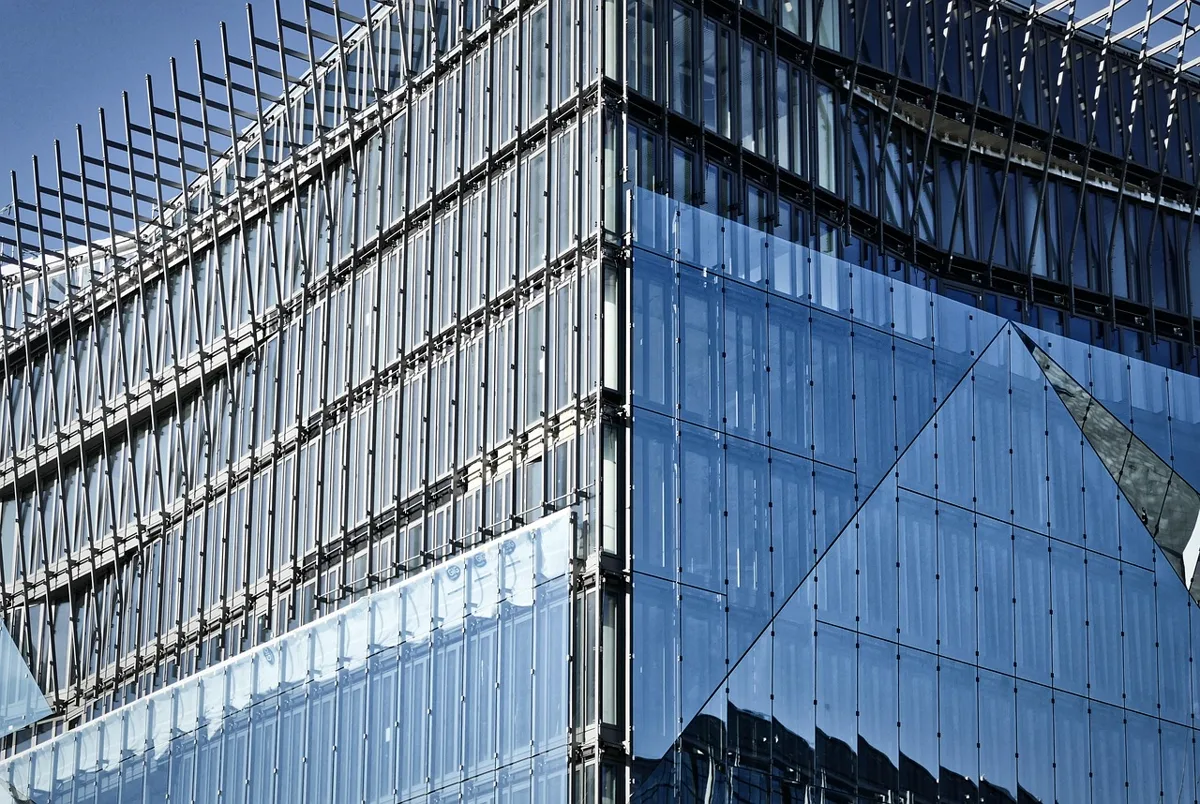
The most impactful modernization strategy is replacing opaque drywall partitions with glass architectural walls. This single change transforms the spatial experience of an office, introducing natural light, visual connectivity, and a sense of openness that immediately signals a modern, forward-thinking organization. No other renovation delivers as much visual and functional impact per dollar invested.
Demountable glass wall systems like moodwall make this transformation practical and cost-effective. Unlike traditional renovation, which requires demolition, debris removal, and extended construction timelines that displace employees, demountable systems install cleanly and quickly with minimal disruption to ongoing operations. Many installations can be completed over a weekend, allowing employees to return on Monday to a dramatically transformed workspace.
The aesthetic impact is immediate and dramatic. Dark, enclosed corridors become light-filled circulation paths. Isolated offices become transparent, accessible spaces that communicate openness. The overall floor plate feels larger, brighter, and more cohesive. And because the systems are demountable, the layout can be adjusted in the future without repeating the renovation cycle, making this a one-time investment in long-term adaptability.
For organizations concerned about acoustic privacy, the moodwall P4 system provides double-glazed configurations with STC ratings up to 45, proving that transparency and sound isolation can coexist beautifully. Laminated glass options in the P1 and P3 systems also deliver strong acoustic performance at STC 35, suitable for most office privacy requirements.
2. Upgrade to Sleeker, Functional Furniture
Furniture has a profound effect on both the appearance and functionality of a workspace. Heavy, dated furniture pieces, bulky filing cabinets, and oversized desks make spaces feel cluttered and static, while modern furniture systems are designed for flexibility, ergonomics, and visual lightness that opens up the floor plate.
Consider height-adjustable desks that support both sitting and standing work, promoting movement and reducing the health risks associated with prolonged sitting. Choose modular seating that can be reconfigured for different group sizes and activities. Select storage solutions that are compact and integrated rather than bulky and freestanding. The goal is a clean, uncluttered environment where furniture supports productivity and wellbeing rather than getting in the way.
Material and finish selections matter as well. Light-colored surfaces, natural wood tones, and matte metal finishes create a warm, contemporary atmosphere that feels inviting and professional. Coordinate furniture selections with architectural elements like glass wall frame finishes for a cohesive, intentional look that communicates design thoughtfulness. The days of mismatched furniture accumulated over decades are a clear signal of organizational neglect.
3. Invest in Better Lighting
Lighting is one of the most underappreciated factors in workplace quality, and it is often one of the easiest and most cost-effective to improve. Many older offices rely on harsh fluorescent ceiling panels that create flat, unflattering illumination and contribute to eyestrain, headaches, and fatigue. Studies show that poor lighting is the number one complaint among office workers, affecting everything from mood to productivity to error rates.
Modern LED lighting systems offer dramatic improvements in light quality, energy efficiency, and design flexibility. Tunable white LED panels allow color temperature to shift from warm (2700K) to cool (5000K) throughout the day, supporting circadian rhythms and occupant comfort. Task lighting at individual workstations provides focused illumination without overpowering the ambient environment, giving employees control over their immediate visual environment.
Maximizing natural light through glass wall systems amplifies the impact of lighting upgrades exponentially. When daylight penetrates deeper into the floor plate through transparent partitions, the reliance on artificial lighting decreases, creating a more natural, healthful environment while reducing energy costs by 20-30% according to the U.S. Department of Energy. The synergy between glass walls and modern lighting systems creates an environment that is both visually stunning and biologically supportive.
4. Leverage Technology Throughout
A modern office is a connected office. Technology integration should be seamless and intuitive, supporting the way people actually work rather than creating friction and frustration. The technology infrastructure of a workspace is as important to its functionality as the physical infrastructure, and outdated technology creates daily friction that compounds into significant productivity losses over time.
Start with the fundamentals: robust Wi-Fi coverage across the entire floor plate with enterprise-grade security, ample power and USB charging access at every workstation and meeting space, and reliable video conferencing systems in all meeting rooms sized for the room's typical occupancy. Then layer on smart building features such as automated lighting controls with occupancy and daylight sensing, room booking systems with real-time availability displays, environmental monitoring, and digital wayfinding for larger facilities.
Cable management deserves special attention during modernization, as it is often the most visible sign of a technology environment that has evolved without planning. Visible cables and tangled wires undermine even the most carefully designed interior. Plan for concealed cable routes, in-furniture power access, and wireless connectivity wherever possible. When done well, the technology in a modern office is powerful but invisible, supporting work without demanding attention.
Technology also extends to the architectural elements themselves. Switchable privacy glass that transitions from transparent to opaque with the flip of a switch, integrated digital displays for room booking and wayfinding, and smart access control systems with badge or mobile credential entry represent the leading edge of workplace technology, and they integrate naturally with modern glass wall systems.
A Phased Approach to Modernization
Office modernization does not have to happen all at once. Many organizations take a phased approach, starting with the highest-impact changes and spreading the investment over multiple budget cycles. Replacing traditional walls with glass partitions often delivers the greatest visual and functional transformation per dollar spent, making it an ideal starting point that creates immediate impact and builds momentum for subsequent phases.
Ready to modernize your workspace? Request a quote to explore how Rampart's moodwall systems can anchor your office transformation.