How to Design a Huddle Room
What Is a Huddle Room?
A huddle room is a compact meeting space designed for two to six people to gather for quick, focused collaboration. Unlike traditional conference rooms that accommodate large groups and formal presentations, huddle rooms are purpose-built for the spontaneous, fast-paced interactions that drive modern work forward. They fill the critical gap between informal desk-side conversations and scheduled conference room meetings.
Think of huddle rooms as the workplace equivalent of a quick sidebar conversation, except with the technology, comfort, and acoustic privacy needed to make those conversations truly productive. They are typically used for brief team syncs, one-on-one discussions, video calls with remote colleagues, client check-ins, and small-group brainstorming sessions that benefit from a dedicated, distraction-free environment.
As organizations move toward more agile, collaborative work models with distributed teams, the demand for huddle rooms has grown significantly. Many workplace strategists now recommend that huddle rooms outnumber traditional conference rooms by a ratio of two or three to one. Getting the design right is essential to their effectiveness and adoption. Here are six elements that every well-designed huddle room should incorporate.
1. Glass Walls for Openness and Visibility
Huddle rooms should feel open and accessible, not claustrophobic. This is particularly important given their compact footprint, which can feel confining if surrounded by opaque walls. Glass walls are the ideal solution, creating visual connections to the broader workspace while providing the acoustic separation needed for productive conversation.
Floor-to-ceiling glass, such as the panels used in the moodwall P1 system, maximizes natural light and prevents huddle rooms from feeling like enclosed boxes. The transparency also makes it easy to see when a room is available, reducing scheduling friction and encouraging spontaneous use. When employees can glance at a huddle room and see it is empty, the barrier to impromptu collaboration drops significantly.
For rooms where some visual privacy is desired, frosted glass bands at seated eye level provide screening without blocking the light transmission that keeps the space feeling open and connected. This approach balances accessibility with discretion, making the space suitable for both casual discussions and more sensitive conversations.
2. Integrated Video Conferencing Tools
In a distributed work environment, virtually every huddle room conversation may include at least one remote participant. Video conferencing capability is no longer a nice-to-have; it is essential infrastructure that must be designed into the room from the outset rather than retrofitted as an afterthought.
Design huddle rooms with a wall-mounted display at eye level, a wide-angle camera that captures all in-room participants without distortion, and a high-quality speaker and microphone system optimized for the room's dimensions. The technology should be simple to activate, ideally one-touch or wireless screen sharing, to eliminate the setup time that erodes the efficiency huddle rooms are designed to provide. If it takes more than 30 seconds to start a call, the technology is working against the room's purpose.
3. Minimalist, Flexible Furniture
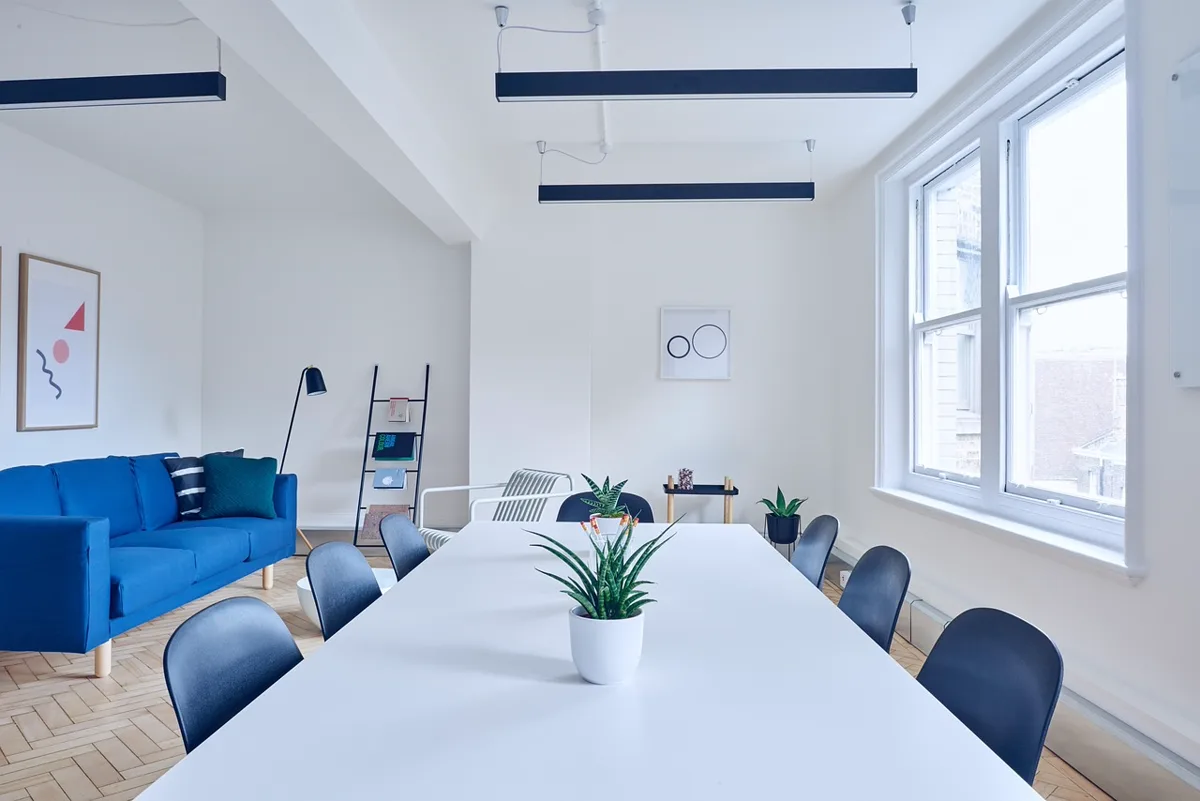
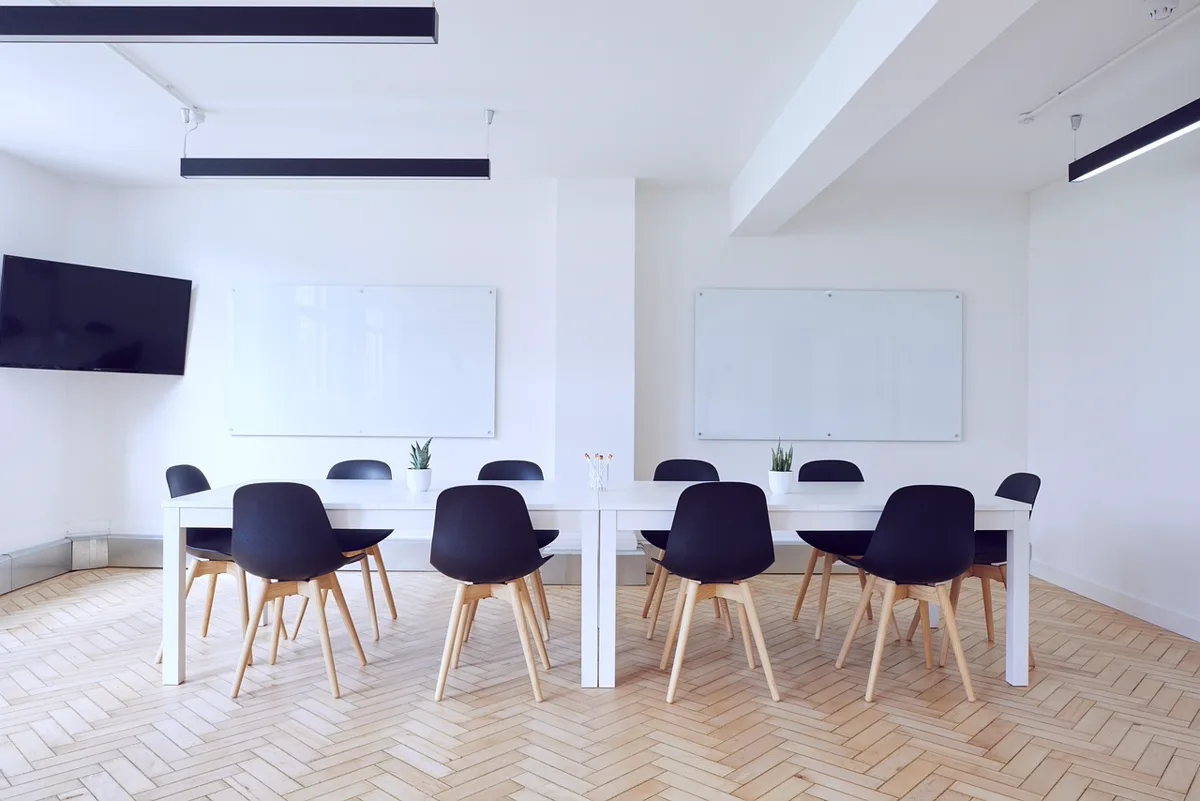
Huddle rooms thrive on simplicity. A small table, comfortable seating for the intended capacity, and a clean, uncluttered environment set the right tone for focused, efficient collaboration. Avoid the temptation to over-furnish these compact spaces. Every item in the room should serve a clear purpose, and anything that does not should be removed.
Consider mobile or modular furniture that can be easily rearranged to suit different meeting formats. Standing-height tables are particularly effective for short, energetic discussions and tend to keep meetings brief and productive. Lounge-style seating supports more relaxed, creative conversations. The flexibility to switch between formats within the same room maximizes its utility and adapts to different team preferences.
4. Thoughtful Wire Management
Nothing undermines the polished look of a huddle room faster than visible cables and tangled wires. Plan for integrated power and data access from the outset, with outlets and USB ports built into the table or discreetly positioned along walls. Every device in the room, from the display to the camera to charging stations, should have a clean, concealed power and data connection.
Wireless presentation technology reduces the need for physical connections, but backup wired options should be available for reliability. Cable channels, floor boxes, and in-furniture cable management systems keep everything tidy and professional, reinforcing the impression of a thoughtfully designed environment.
5. Optimized Lighting
Lighting in a huddle room serves both practical and aesthetic functions. For video conferencing, even, diffused lighting that illuminates faces without creating harsh shadows is essential for professional-quality video. Overhead LED panels with adjustable color temperature provide the flexibility to dial in the right ambiance for both camera quality and occupant comfort.
Natural light from glass walls contributes significantly to the lighting quality of a huddle room. When combined with thoughtfully positioned artificial light, the result is a space that feels bright, welcoming, and professional on screen and in person. Avoid downlighting directly above where people sit, as this creates unflattering shadows on video calls.
6. Acoustic Performance
Despite their small size, huddle rooms require serious attention to acoustics. Without adequate sound isolation, conversations leak into adjacent spaces and external noise intrudes on meetings and calls, undermining the privacy and focus that make huddle rooms valuable in the first place.
Glass wall systems with proven STC ratings are the foundation of huddle room acoustics. The moodwall P3 system provides STC ratings up to 35 with laminated glass, while the P4 system achieves STC 45 with double glazing for environments where maximum privacy is required. Complementary acoustic treatments such as ceiling baffles, wall-mounted absorptive panels, and acoustic door seals complete the package, controlling both sound transmission through the walls and reverberation within the room itself.
Creating Effective Huddle Rooms
The best huddle rooms are those that people actually use, and use frequently. By combining glass walls, integrated technology, clean design, and strong acoustic performance, you create spaces that are inviting, functional, and perfectly suited to the fast-paced collaborative work that defines today's most effective organizations.
Need help designing huddle rooms for your workspace? Contact Rampart to discuss your project requirements and explore moodwall solutions.